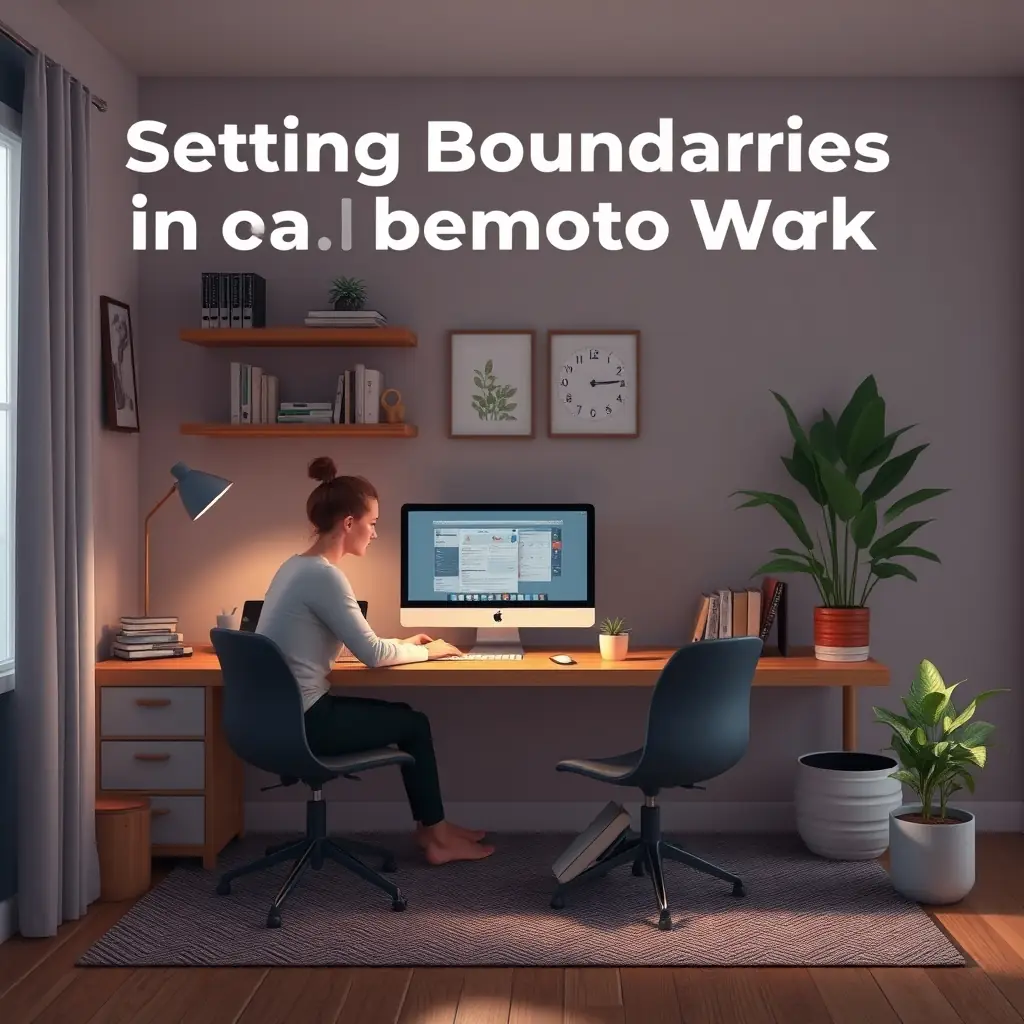
Setting Boundaries in a Remote Work Environment
Working from home has its perks, but without clear boundaries, it can quickly lead to burnout. One strategy I've embraced is setting a well-defined workspace, even if it's just a small corner in my apartment. A dedicated area signals to my brain that it's time for work, not relaxation, minimizing distractions. I also realized the importance of sticking to a set work schedule. While flexibility can be beneficial, constantly shifting your hours can make it difficult to switch off mentally. Informing colleagues of my availability and setting 'do not disturb' hours helps enforce these boundaries. It’s easy to fall into the trap of being perpetually available, which is why I emphasize shutting down my work computer at the end of the day and resisting the urge to check work emails or messages. These practices may be simple, but they significantly decrease stress by reinforcing the separation between work and personal life. The toughest part? Convincing myself that it's acceptable to step away, but once you see the results, maintaining those boundaries becomes second nature.
Tackling Decision Fatigue: Simplify Your Choices
Decision fatigue is a hidden stressor that creeps up without warning. By the time evening rolls around, even simple choices feel overwhelming. One effective approach I've adopted is the reduction of unnecessary decisions throughout the day. For instance, pre-planning outfits, meals, or even my work schedule cuts down on daily decisions. A weekly meal prep session diminishes the 'What should I eat tonight?' dilemma. Similarly, using a digital calendar to block time for specific tasks sketches a clear path through the workday, ensuring priorities aren't derailed by minor choices. Another game-changer has been automating recurring decisions, like setting subscriptions to auto-renewal. This habit frees up mental energy for critical or creative thinking, helping maintain a balanced focus on tasks that really matter. I also created a personal decision-making framework: if a choice is reversible, I assign a minimal thought allowance, preventing overthinking. These strategies have reduced my end-of-day exhaustion and keep me mentally agile.

Winding Down: Creating an Evening Routine
Unplugging after a hectic day isn't always straightforward, but creating a consistent evening routine has made a notable difference. It starts with setting my phone to 'do not disturb' mode to minimize distractions. As someone who enjoys reading, I've integrated it into my wind down time, selecting a physical book to steer clear of screens. Keeping the blue light out of bedtime keeps sleep cycles regular. I've also added a short stretch session, which eases muscle tension and signals to my body that it's okay to relax. It's tempting to finish off the day by watching TV in bed, but shifting to a comfy chair in the living room helps maintain my sleep environment as a restful space. On particularly demanding days, I've found jotting down worries or looming tasks in a journal helps clear mental space, making them easier to tackle the next day. A routine like this doesn't erase stress entirely but equips you to handle it more effectively. Over time, these habits cultivate a comfortable, calming close to the day.