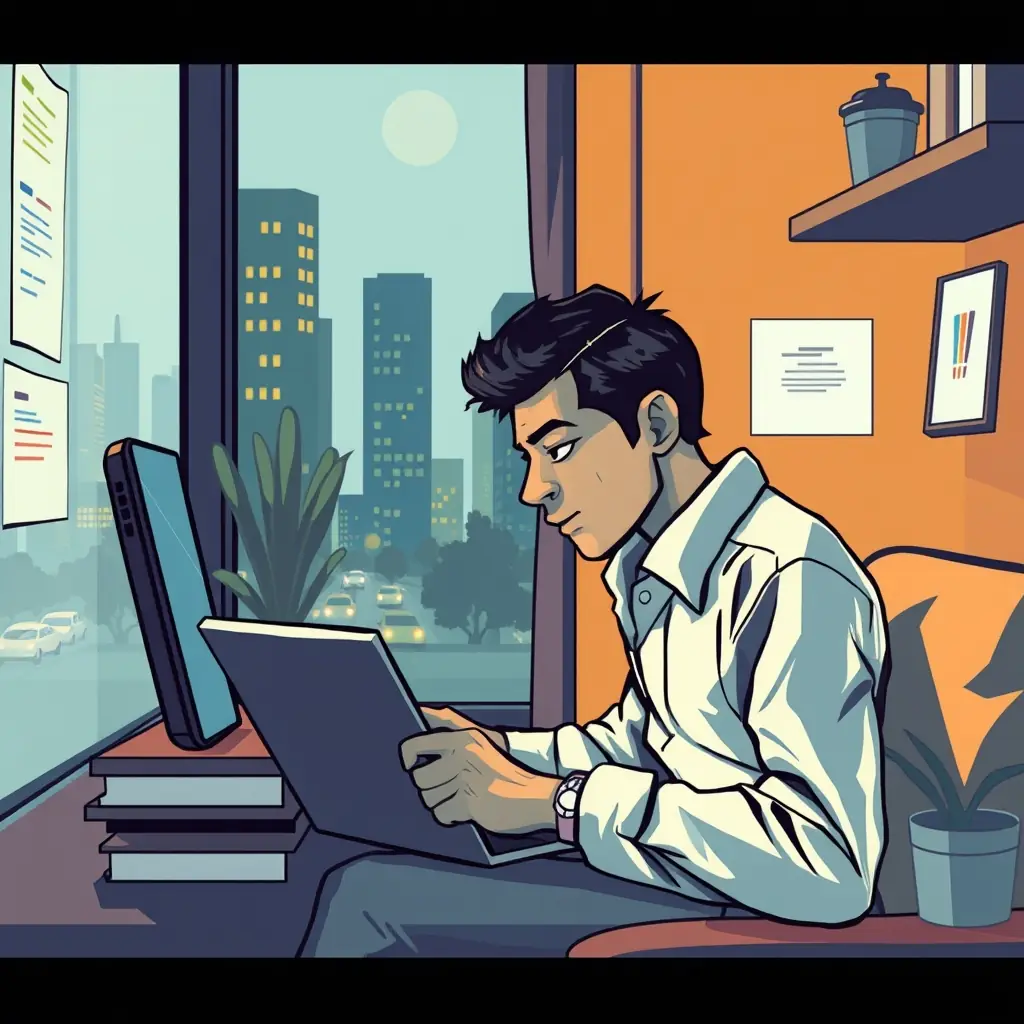
The Art of Unplugging
After a long day filled with emails, meetings, and looming deadlines, switching off might seem impossible. Yet, I've found that genuinely unplugging is crucial to decompressing from work stress. I make it a point to set a clear boundary between work and home. Every evening, the work laptop gets shut down, and my phone notifications are silenced. It feels awkward at first, this digital detox, but soon the relief is palpable. Instead of scrolling through work emails mindlessly, I immerse myself in a book or go for a quick jog around the neighborhood. The key isn’t to completely avoid digital media, but to consciously engage with activities that recharge you. For some, it’s tuning into a favorite podcast, while others might prefer painting or baking. Whatever your choice, the autonomy over your time returns in small, restorative ways. These activities might seem minuscule compared to a day at work, but they're like mental reset buttons. The challenge is to resist 'just one quick check' which undermines the barrier you’re setting. Over time, these boundaries solidify, granting you a comforting space away from work pressures, and allowing for genuine mental relaxation.

Finding Solitude in Movement
Exercise gets touted as a universal stress buster for good reason. But I’m not suggesting a grueling fitness regime to melt away tension from a stressful work day. Instead, I embrace solitude in movement—it’s less about hitting the gym and more about gentle activity for inner peace. I lace up my sneakers and take a brisk walk, breathing in the evening air and watching as the sky changes colors. Small routines like these aren't just about physical exertion; they offer a meditative rhythm that quiets my mind. Some days, instead of walking, I opt for yoga. Even simple asanas like the child's pose or corpse pose can make a world of difference; it’s about feeling connected to oneself. The trick is consistency, to engage in short bursts of activity that reintroduce you to your body’s sensations without overwhelming it. It’s about prioritizing time that’s truly your own, away from the clatter of daily obligations, offering a space where stress naturally dissipates as you move.

Creating a Wind-Down Ritual
To combat the ebb and flow of daily work stress, I’ve developed a nightly ritual that signals to my brain it’s time to transition from chaos to calm. This doesn’t involve elaborate steps or costly products—just consistency and small comforts. I start with a warm shower, letting the water wash away the accumulated tension. Often, I light a candle with a soothing scent like lavender or chamomile; these scents are naturally calming and known for their stress-relieving properties. The flickering light and fragrant air create an atmosphere of serenity. Then, I might enjoy a cup of herbal tea while jotting down a few thoughts. A simple gratitude journal or a list of tomorrow’s intentions can help put perspective on what’s truly important. It frames the evening in positivity and offers a gentle exit from the busy narratives that often dominate my day. These rituals can be personal and tailored—what matters is their intention, turning them into signals for your mind that the workday is over. Over time, this consistent practice roots itself, crafting a gentle routine that offers a solace unlike any other.