
Breath Counting for Calmness
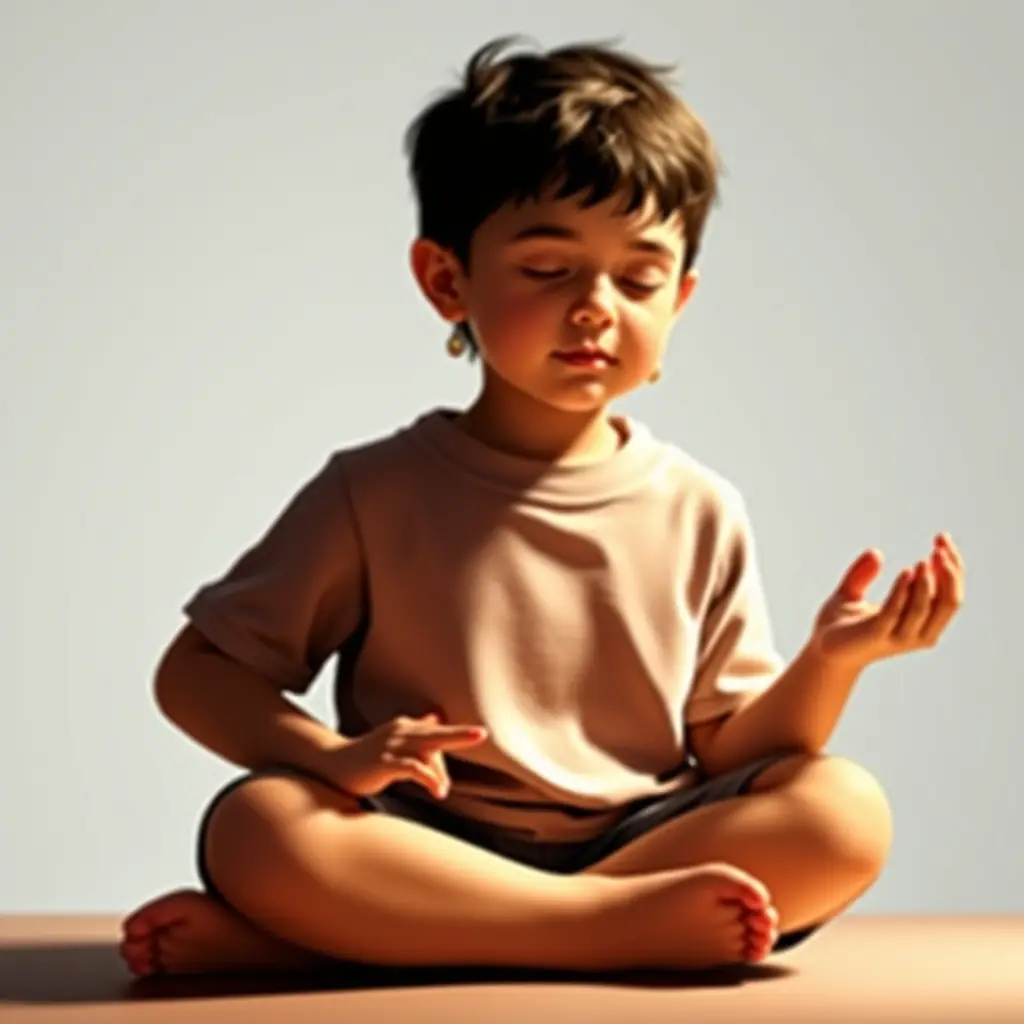
Breathing may seem like the most basic of gestures, but teaching kids to breath with awareness can transform how they handle stress. I keep this exercise simple, making it fun and engaging by calling it the ‘breath counting game.’ We sit together, palms open on our laps, and gently close our eyes. The rule is simple: breathe in slowly through the nose, feeling the air fill the lungs, and count 'one' in their mind. As they slowly exhale, they move to 'two.' The goal is to reach ten without interruption. My kids find the counting aspect intriguing, often turning it into a challenge to maintain focus. If they lose count, they simply start over. This practice is a game-changer in our household, perfect for calming down before bed or after a stressful day at school. The benefit is twofold — they learn to breath deeply, and the numerical aspect helps cement the mindfulness practice. What ruins the flow? Distractions like screens and noise nearby, so we always make sure our environment is quiet and calming to foster a successful session.
Mindful Mornings: Starting the Day Right
Getting kids out of bed and out the door can feel like a frantic race against the clock, but injecting mindfulness into our morning routine has changed everything. Instead of rushing, I've taught my kids to take just two minutes to sit in a cozy spot right after waking up. We call this our ‘morning moment’. During this time, they focus on the sounds around them. Whether it's the chirping birds or the soft hum of the city waking up, tuning into the present helps ground them for the day ahead. I've noticed it makes a significant difference in their mood and ability to focus at school. The key here is consistency; we've turned it into a cherished routine. Some mornings, we even do a brief guided visualization, imagining how new experiences would feel in the day ahead. Avoid doing this in a noisy area; a quiet room is best. The added benefit of this practice is that it fosters a sense of gratitude early in their day — an invaluable mindset. A missed morning can happen, but we try our best to make it a staple start.

Mindful Eating: Engaging the Senses
In our busy lives, meal times can often become rushed affairs, but I’ve found that incorporating mindfulness into our eating routine is tremendously beneficial. We start by turning off all screens and taking a moment before we dig in. I encourage the kids to first look at their food, observing the colors and different textures. Then they take a deep breath and smell their meal, identifying any familiar scents. It makes them present and engaged in what they’re about to eat. The fun part comes next, where they place a bite in their mouth and chew slowly, noting the flavors and textures, trying to describe them. It's like a little game of sensory discovery. This practice not only cultivates mindfulness, but it also develops healthier eating habits by encouraging slower eating and better digestion. It's not always perfect—there's often laughter and silly descriptions—but it turns meal times into quality family moments that aren’t dictated by the chaos of the clock. The most common pitfall is when we're in a hurry, but when the schedule allows, it becomes a beautiful reminder to slow down and savor.